

Lower Back Pain
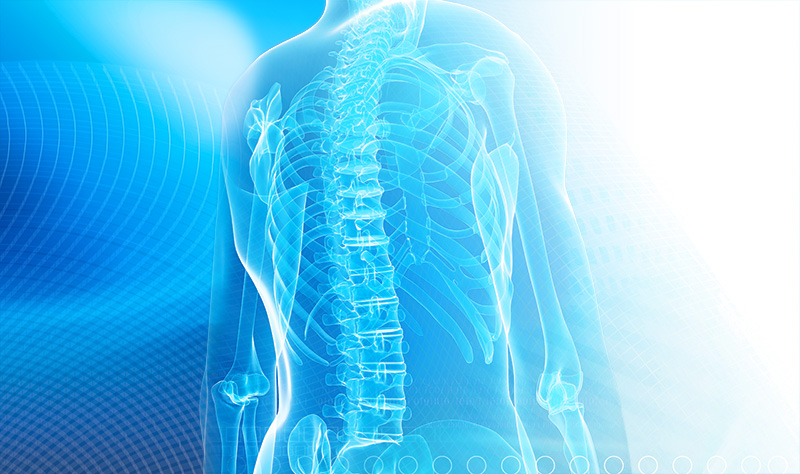
Lower back pain can be caused by many different sources, including nerve injury, facet arthropathy, tumor invasion, aneurysmal dilation of blood vessels, or ruptured discs. Patients suffering from chronic low back pain may become depressed, may not be able to get restful sleep, or may be unable to focus on certain tasks. These associated symptoms may combine to increase the patient’s awareness and perception of the pain and its impact on his or her life.
The first step in treating lower back pain is to determine the type and intensity of the pain and whether it is isolated or radiates to other areas of the body. It is also important to determine the underlying cause and to determine if any particular movements, postures or activities generate or relieve the pain.
The most conservative course of treatment to reduce low back pain is pharmacological (medication). Pharmacological treatment can be very effective, but there are limitations and potential side effects to be considered, and medication alone may not treat the underlying cause of the pain. Other conservative measures include physical therapy, which can help prevent further damage to the lower back. Maintaining an ideal body weight can also reduce the strain placed on the lower back.
When conservative measures fail, it is often necessary to progress to minimally invasive techniques of treating low back pain. Epidural Steroid Administration has become a commonplace technique for treating pain associated with bulging or ruptured disks.
If the patient continues to have significant pain after receiving epidural steroid administration, they may be candidates for even more aggressive treatments, i.e.Percutaneous Discectomy.
Typically, epidural steroid administration treats nerve irritation often caused by disc problems. When low back pain is the result of arthritis in the small facet joints, endoscopic rhizotomy is a very effective treatment to address this source of pain.
Another cause for isolated low back pain is the irritation of the small nerves that supply the disk with sensation. Newer treatment options are directed at interrupting these pain signals at the level of the disk. If these techniques fail to relieve the pain, another option is the placement of electrical leads close to the areas of the spinal cord (spinal cord stimulation) responsible for pain transmission. Delivering electrical energy to these areas will prevent many of the painful signals that travel up and down the spinal cord before they reach the brain to interpret this pain.
There are many alternative methods for relieving pain, as well. One such alternative is acupuncture, which has been very successful for many centuries in relieving various pain disorders.
Besides treating the actual cause of the pain, it is important to address the side effects associated with living with chronic severe discomfort. It is very beneficial for these patients to learn stress management techniques, coping strategies, and even biofeedback. Chronic pain certainly has an influence on a person's everyday life.

Share
Precision Pain Care uses strategies, methods and technology designed to break the cycle of pain and improve a patient’s quality of life.
- Celiac Plexus Block
- Dorsal Root Ganglion (DRG) stimulation
- Endoscopic Discectomy
- Endoscopic Rhizotomy
- Epidural Steroid Injections
- Facet Injections and Medial Branch Blocks
- Joint Injections
- MILD Lumbar Decompression
- Minuteman Spinal Fusion Procedure
- Radiofrequency Ablation
- Sacroiliac Joint Fusion
- Spinal Cord Stimulation
- Spinal Infusion Pump
- Sympathetic Blocks
- Kyphoplasty
Movie presentations showing non-invasive pain reducing procedures used by Dr. Linehan to treat various painful conditions.